 Insurance Cost
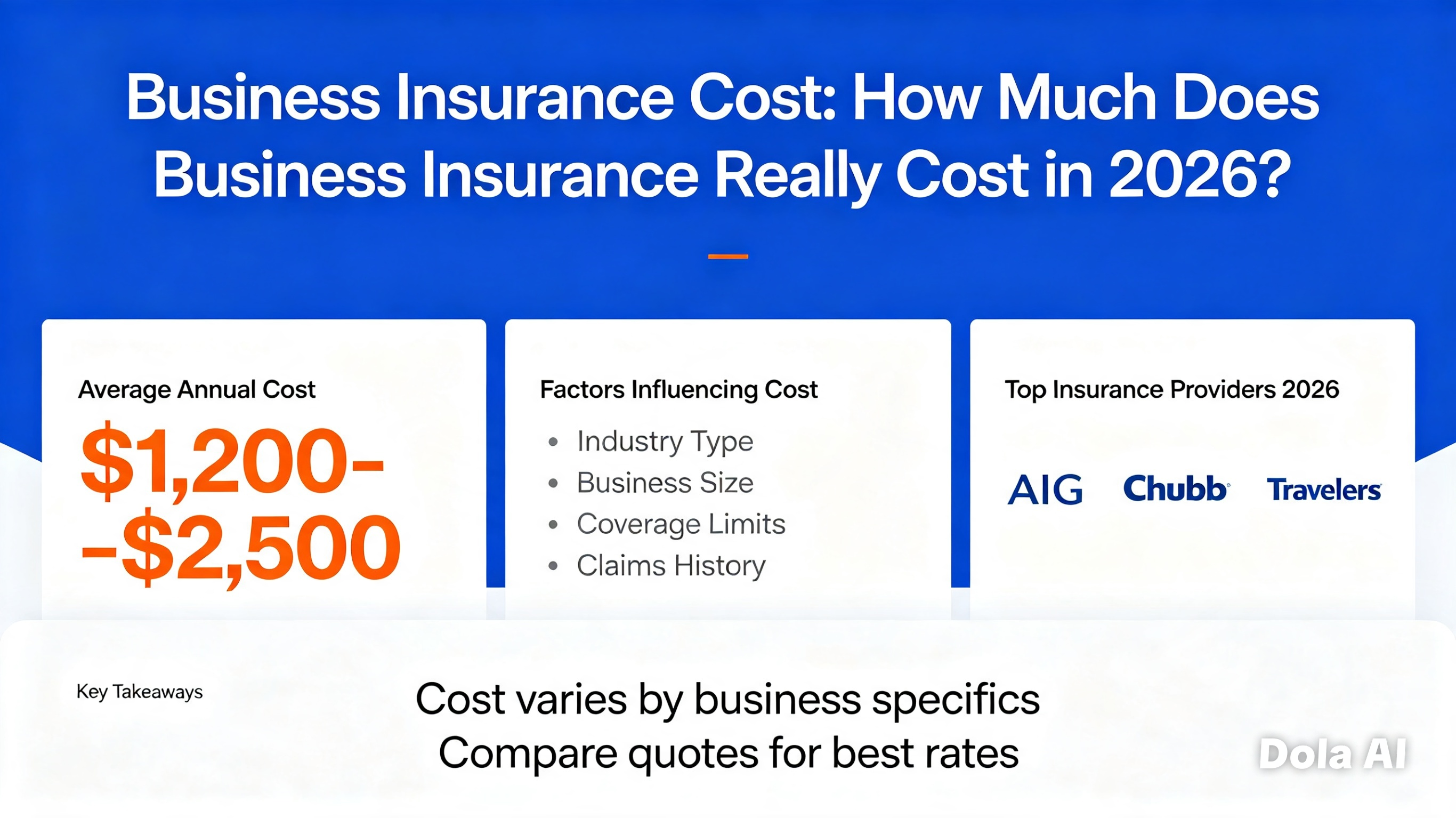
Business Insurance Cost: How Much Does Business Insurance Really Cost in 2026?
Business Insurance Cost: How Much Does Business Insurance Really Cost in 2026?
Understanding the cost of business insurance is one of the most important steps for entrepreneurs who want to protect their companies without overspending. Whether you operate a small online business, a retail store, a restaurant, a consulting firm, or a growing company with employees, insurance is a necessary investment that helps protect your financial future.
Many business owners wonder why insurance prices vary so much between companies. The reason is that insurance providers evaluate each business individually based on its risks, industry, location, revenue, employees, and coverage requirements.
There is no single price that applies to every business. A freelance consultant may pay a few hundred dollars per year, while a construction company with multiple employees and vehicles may spend thousands of dollars annually.
Understanding what affects business insurance costs can help you choose the right coverage and avoid paying for unnecessary protection.
How Much Does Business Insurance Cost?
The average cost of business insurance depends on the type of coverage your company needs.
Many small businesses pay between $500 and $3,000 per year for basic insurance protection. However, costs can be lower or significantly higher depending on the level of risk involved.
Typical annual costs may include:
- General Liability Insurance: $300–$1,500 per year
- Business Owner's Policy (BOP): $500–$2,500 per year
- Professional Liability Insurance: $500–$3,000 per year
- Commercial Auto Insurance: $1,000–$5,000+ per vehicle per year
- Workers' Compensation Insurance: varies based on payroll and industry
- Cyber Liability Insurance: $500–$3,500 per year
These numbers are general estimates. Actual premiums depend on the specific details of each business.
What Factors Affect Business Insurance Cost?
Insurance companies consider many factors when calculating premiums. Understanding these factors can help business owners control costs.
Industry and Business Type
The type of business you operate has one of the biggest impacts on insurance pricing.
Businesses with higher risks usually pay higher premiums.
For example:
A construction company faces risks involving equipment, injuries, and property damage, so it generally pays more than an office-based consulting business.
Industries that often have higher insurance costs include:
- Construction
- Transportation
- Manufacturing
- Healthcare
- Restaurants
- Contractors
Lower-risk businesses such as consultants, designers, and online businesses often have lower premiums.
Business Size and Revenue
The size of your company also influences insurance costs.
Insurance providers consider:
- Annual revenue
- Number of employees
- Number of customers
- Business operations
- Amount of assets
A company generating millions in revenue typically requires higher coverage limits than a small startup because potential financial losses are greater.
Location of Your Business
Where your business operates can significantly affect insurance rates.
Insurance companies evaluate:
- Crime levels
- Weather risks
- Local regulations
- Lawsuit frequency
- Property values
For example, businesses located in areas with frequent storms, floods, or high theft rates may pay higher premiums.
Coverage Types You Choose
The amount and type of insurance coverage directly affect your premium.
A business with only general liability insurance will usually pay less than a company that purchases:
- General liability insurance
- Commercial property insurance
- Workers' compensation
- Commercial auto insurance
- Cyber insurance
- Business interruption insurance
More protection means higher premiums, but it also reduces financial risk.
Coverage Limits and Deductibles
Insurance policies include coverage limits that determine how much the insurer will pay after a claim.
Higher limits usually increase premiums.
For example, a business with a $2 million liability limit will typically pay more than one with a $500,000 limit.
Deductibles work differently. A higher deductible usually lowers monthly or annual premiums because the business agrees to pay more out-of-pocket before insurance coverage begins.
Claims History
Previous insurance claims can influence future premiums.
Businesses with frequent claims may be considered higher risk and could pay more for coverage.
Companies can often reduce future insurance costs by:
- Improving workplace safety
- Training employees
- Preventing accidents
- Maintaining equipment
- Creating risk management procedures
A strong safety record demonstrates lower risk to insurers.
Employee Numbers and Payroll
For businesses with employees, payroll and workforce size are important pricing factors.
Workers' compensation insurance is commonly calculated based on payroll amounts and employee job classifications.
A company with 50 employees working in higher-risk positions will generally pay more than a small office with five employees.
How to Reduce Business Insurance Costs
Although business insurance is essential, there are several strategies to control expenses.
Compare Multiple Insurance Quotes
Different insurers calculate risk differently. Comparing quotes from several companies can help you find better pricing and coverage options.
Never choose an insurance policy based only on price. Always compare coverage limits, exclusions, and customer service reputation.
Bundle Insurance Policies
Many insurers offer discounts when businesses combine multiple policies.
For example, a Business Owner's Policy may combine:
- General liability insurance
- Commercial property insurance
- Business interruption insurance
Bundling can simplify management and reduce overall costs.
Improve Workplace Safety
Insurance companies reward businesses that reduce risks.
You can potentially lower premiums by:
- Training employees
- Creating safety procedures
- Installing security systems
- Maintaining equipment
- Preventing workplace accidents
Review Your Coverage Annually
Business needs change over time.
Review your insurance every year to ensure:
- You are not underinsured
- You are not paying for unnecessary coverage
- Your policy matches your current operations
A growing company may need additional protection, while a smaller operation may be able to reduce certain expenses.
Cheapest Business Insurance Options
Businesses looking for affordable coverage should focus on purchasing the protection they actually need.
Some of the most affordable options include:
- General liability insurance
- Professional liability insurance
- Business Owner's Policy (BOP)
However, choosing the cheapest policy available may create serious problems if coverage is insufficient.
The goal should be finding affordable insurance with adequate protection.
Business Insurance Cost by Business Type
Consultant
Typical coverage:
- Professional liability insurance
- General liability insurance
Estimated cost:
$500–$2,000 per year
Retail Store
Typical coverage:
- General liability
- Commercial property
- Inventory protection
Estimated cost:
$1,000–$5,000 per year
Restaurant
Typical coverage:
- General liability
- Property insurance
- Workers' compensation
- Liquor liability (if applicable)
Estimated cost:
$2,000–$10,000+ per year
Construction Company
Typical coverage:
- General liability
- Commercial auto
- Workers' compensation
- Equipment coverage
Estimated cost:
$5,000–$20,000+ per year
Frequently Asked Questions
Why is business insurance expensive?
Business insurance costs more for companies with higher risks, valuable assets, employees, or greater liability exposure.
Can small businesses get cheap insurance?
Yes. Small businesses can reduce costs by comparing providers, choosing appropriate coverage limits, and maintaining good safety practices.
Is business insurance tax deductible?
In many cases, business insurance premiums may qualify as deductible business expenses. Business owners should consult a tax professional for specific advice.
Should every business have insurance?
Most businesses should have some level of insurance protection. The exact coverage depends on the industry, operations, and legal requirements.
The Bottom Line
Business insurance cost depends on many factors, including your industry, company size, location, coverage needs, and risk level. While premiums represent an ongoing business expense, the protection they provide can prevent devastating financial losses caused by lawsuits, accidents, property damage, and unexpected events.
The best approach is not to search for the cheapest insurance policy, but to find the right balance between affordable premiums and comprehensive protection. By comparing quotes, managing risks, and reviewing coverage regularly, businesses can obtain reliable insurance protection while keeping costs under control
Comentarios (0)
Sé el primero en comentar.